
Image Source: LIGHTSLUX
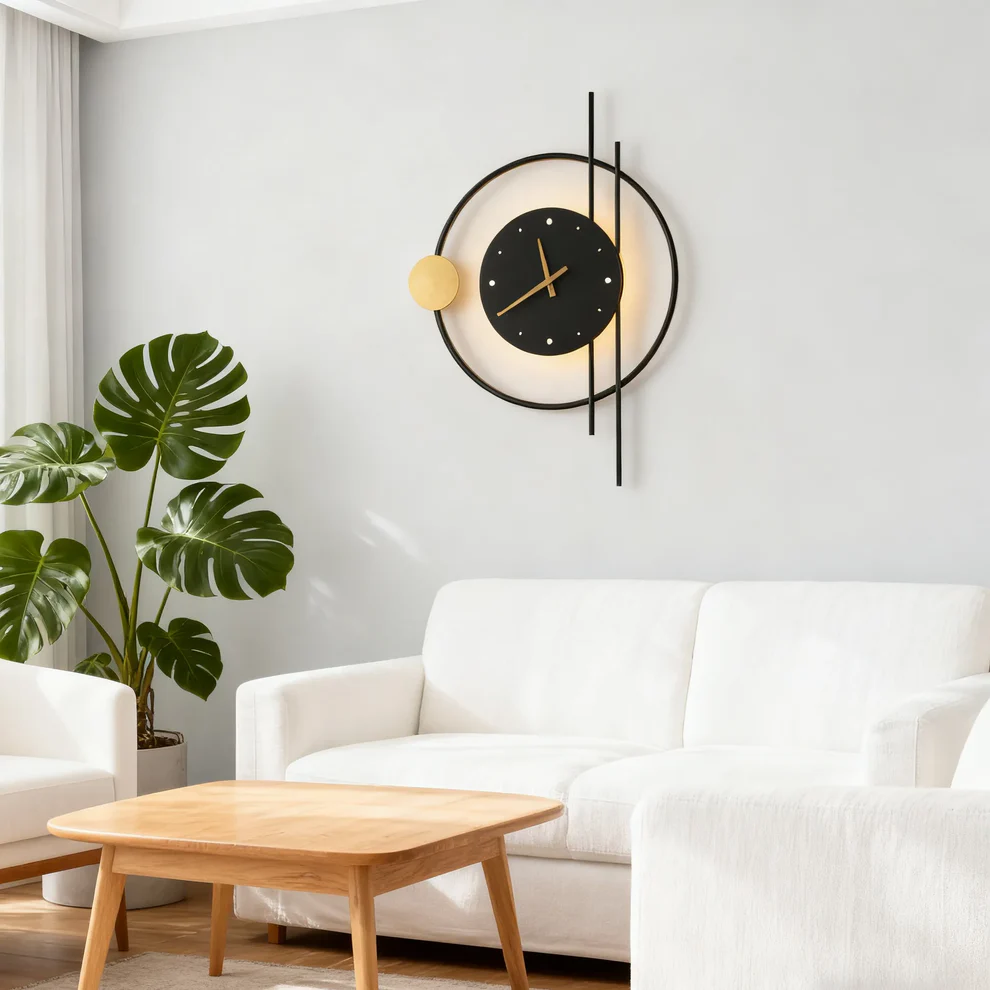
Choosing a wall lamp instead of a ceiling light offers distinct benefits. Wall lamps focus illumination on specific areas, giving you greater control over ambient lighting in your space. These fixtures provide softer lighting effects that minimize glare while beautifully highlighting textures and architectural details. This approach not only enhances the mood but also transforms your environment with layered light, making every corner more inviting.
Key Takeaways
Wall lamps save space by mounting on walls, freeing up valuable floor and table areas.
They provide softer, localized lighting that enhances ambiance and reduces glare, making rooms feel cozier.
Wall lights are ideal for small spaces, creating the illusion of height and openness while highlighting features.
Adjustable sconces allow you to direct light where needed, improving task lighting and visual comfort.
Wall lamps add style and versatility to your decor, serving as both functional and decorative elements.
Space Efficiency with Wall Lights
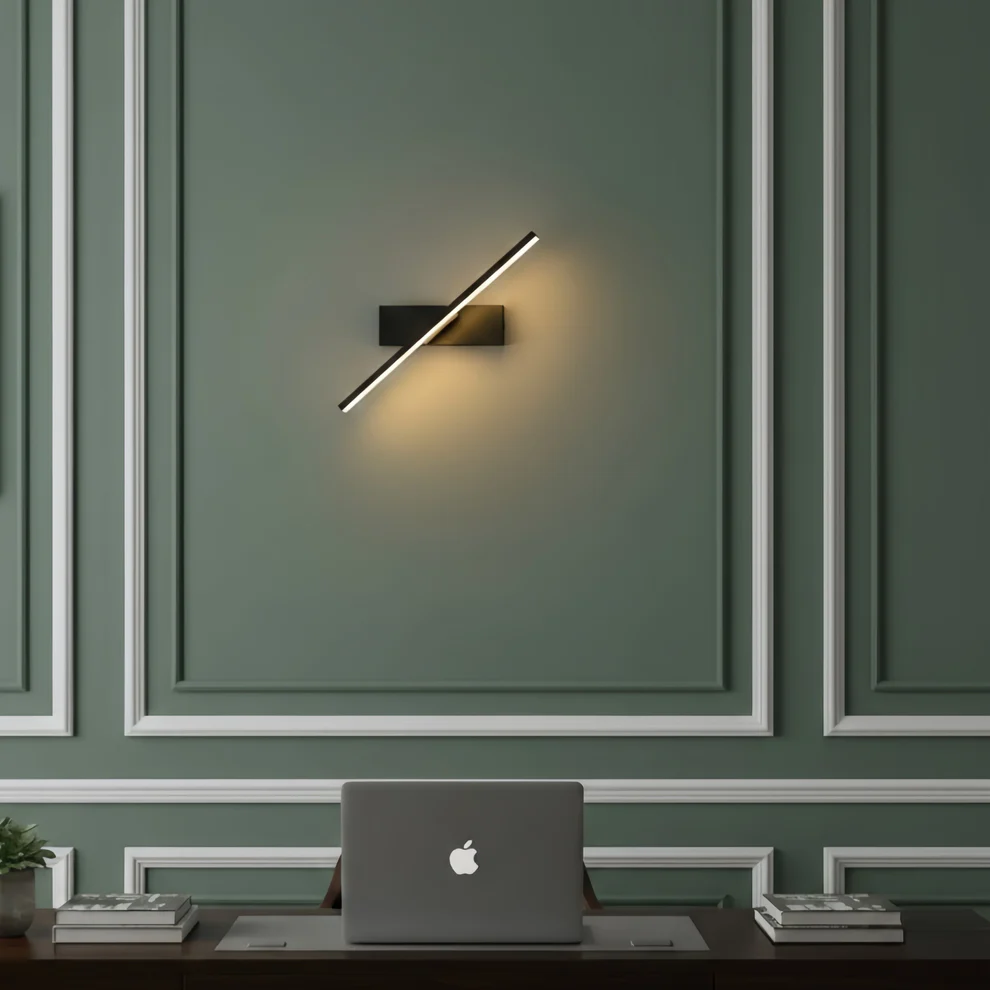
Image Source: LIGHTSLUX
Saving Floor and Ceiling Space
You often look for ways to maximize every inch of your living area, especially in modern homes where space comes at a premium. Wall lights offer a practical solution by mounting directly onto the wall, which means you do not need to sacrifice valuable floor or table space for lamps or bulky fixtures. Interior design experts agree that wall sconces provide both ambient and accent lighting while keeping surfaces clear. This approach helps you maintain a clean, uncluttered look in your room.
Wall-mounted design frees up space on desks and floors, making them ideal for compact or minimalist environments.
Space-saving illumination allows you to use every corner of your room more efficiently.
You can install wall lights at any height, which gives you flexibility in arranging furniture and decor. Ceiling lights, in contrast, often require central placement and can limit your options for room layout. By choosing wall lights, you create a more open and functional environment.
Ideal for Small Rooms
Wall lights are ideal for small rooms, where lighting and layout often present unique challenges. By enhancing the perception of height and space, wall-mounted fixtures draw the eye upward, making the area feel larger and more open. This effect proves especially useful in compact bedrooms, hallways, or reading nooks where every square foot matters.
You also gain the benefits of targeted illumination without overwhelming the space. Instead of casting broad light that flattens a small room, focused wall lighting keeps the area feeling open and uncluttered. You achieve a balanced blend of style and practicality, making your small room both beautiful and efficient.
Lighting Quality and Ambience
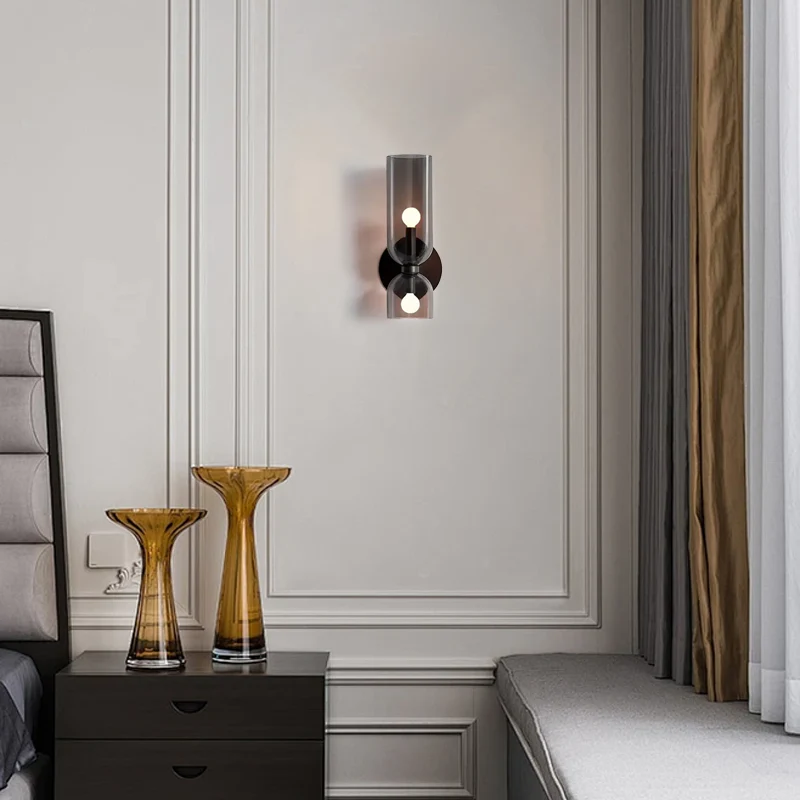
Image Source: LIGHTSLUX
Localized and Softened Illumination
Choosing wall lights significantly transforms the quality of illumination in your space. Wall lights deliver localized illumination, which means you can direct light exactly where you need it. This approach produces softer, more intimate lighting effects that minimize harsh glare and create a comfortable environment. Lighting designers note that wall lights provide indirect lighting, making spaces feel cozier and more relaxing. You gain the benefits of ambient illumination that enhances the mood of your room.
Wall lights excel at creating subtle shadows and adding depth to your space. When you mount fixtures at eye level, you break up blank walls and increase overall visual interest. This technique draws attention to specific areas and increases visual interest. You can use different bulb types and color temperatures to influence the atmosphere. Warm lighting (2700K to 3000K) creates a cozy ambience, while cooler tones (3500K to 4000K) promote alertness.
Ambience with Sconce Lighting
Sconce lighting offers enhanced ambience by softening the harsh contrasts typically caused by overhead lighting. You can use wall lights to illuminate reading nooks and control the emotional experience of a room, whether you want a cozy retreat or a relaxing vibe. This strategy transforms the perception of your space, making it feel more inviting and visually rich. Wall lights allow you to control the emotional experience of a room, whether you want a cozy retreat or a modern, energetic vibe.
Wall lights make rooms feel warmer and more comfortable.
You can adjust wall lights to create different moods and highlight unique features.
Wall lights contribute to enhanced ambience, perfect for bedrooms and relaxation spaces.
Wall lights stand out for their versatility and ability to provide ambient illumination without overwhelming your space. You achieve a balanced blend of style and function, making your room both beautiful and practical.
Design Flexibility and Aesthetics
Highlighting Features with Wall Lamps
Wall lamps are the ultimate tool for layered lighting. Wall lamps perfectly accentuate architectural details and surfaces in your home. Architectural lighting brings out the unique character of a space by focusing light on specific elements. For example, cove lighting and uplighting can highlight ceiling features or textured walls without causing glare. By installing wall lamps, you create an interplay of light and shadow to highlight artwork, alcoves, or decorative moldings. Minimalist wall lighting and slim LED fixtures add a sculptural effect, making your walls come alive with visual interest.
Uplights and downlights accent structural features and create a cozy ambiance.
Floating light panels give a sense of weightlessness and diffuse glow.
The right wall sconce can serve as an accent, spotlighting artwork or textured surfaces.
Wall lights also help balance the overall lighting scheme. Human vision responds strongly to illuminated vertical surfaces, so wall-mounted luminaires enhance perceived brightness and comfort. Indirect wall lighting softens the contrast between walls and ceilings, offering a refined alternative to harsh ceiling lights.
Enhancing Room Style
Wall-mounted lighting offers unmatched versatility in interior design. You can select from a wide range of styles, from minimalist to retro, to complement your decor. For instance, a Julie Rattan Shade & Metal Wall Lamp directs light upward for mood lighting, while a Rise Orb & Brass Modern Wall Lamp makes a bold statement with its hand-painted glass shade. Gold minimalist sconces and honeycomb glass designs add elegance to entryways or living rooms.
Tip: Pair oversized or sculptural wall lamps with simple furniture to let the fixture become the focal point.
Wall lamps can serve as accent pieces, provide task lighting, or create symmetry when installed in pairs. A wall sconce with an integrated shelf beside your bed can seamlessly replace a nightstand and keeping essentials within reach. Adjustable designs allow you to direct light where needed, enhancing both function and style.
Ultimately, wall lamps allow you to accent your favorite spaces, highlight architectural features, and express your personal style.
Lighting Control and Functionality
Adjustable Sconce Lighting
You gain improved lighting control when you choose adjustable sconce wall lamps. These fixtures let you direct light exactly where you need it, which is especially useful for reading, working, or highlighting specific areas. Unlike fixed ceiling lights, adjustable sconces allow you to change both the angle and intensity of the light. This flexibility means you can adapt your lighting to different activities throughout the day.
Adjustable sconces provide focused illumination tailored to specific activities, enhancing task lighting.
This targeted approach reduces glare and shadows, significantly improving visual comfort and makes your space more pleasant.
You can customize both light intensity and direction, offering flexibility that fixed ceiling lights cannot match.
Lighting professionals recommend adjustable sconces for spaces where you need both general and targeted light. You can easily reposition the fixture to achieve task lighting precision, making it ideal for desks, bedside reading, or craft areas.
Tip: Use adjustable sconces in home offices or study nooks to reduce eye strain and boost productivity.
Task and Accent Lighting
Wall lamps excel at providing both task lighting and accent lighting in multifunctional spaces. You often need bright, focused light for activities like reading or working, while also wanting to create a warm, inviting atmosphere. Wall-mounted lighting often provides better task performance than ceiling fixtures, which is essential for functional zones that require clarity and precision.
Wall sconces can produce ambient, task-oriented, or accent lighting based on their design and placement. This adaptability makes them a smart choice for living rooms, bedrooms, and hallways. In narrow spaces, wall lamps offer even accent lighting without taking up headroom or floor space. When you combine wall lamps with ceiling lights, you add depth and dimension to your lighting design.
To create a well-lit environment, you should layer different types of fixtures. Use task lighting for work areas, ambient light for overall visibility, and accent lighting to highlight artwork or architectural features. This approach ensures every part of your room receives the right amount of light for its purpose.
Best Use Cases for Wall Lamps
Bedrooms, Hallways, and Reading Nooks
Wall-mounted lighting proves especially effective in bedrooms, hallways, and reading nooks. Wall lights enhance ambiance and functionality in these spaces. These versatile fixtures deliver focused illumination for tasks like reading, while casting a soft glow that creates a cozy atmosphere. Wall-mounted lighting transforms flat walls into inviting areas, adding both style and comfort.
Wall lights provide ambient, task, or accent lighting based on their design and placement.
Wall-mounted lighting offers decorative flair, available in styles that match your taste.
Bulb wall lamps work well in hallways, living rooms, and bedrooms, saving floor space and highlighting architectural features.
You achieve a sense of height and openness with wall-mounted lighting, making small spaces feel larger.
You should install wall lights at eye level or slightly above the headboard in bedrooms for easy access. The ideal height for wall sconces next to the bed ranges from 60 to 66 inches from the floor. Adjust the height based on your bed and mattress. For reading nooks, daylight or cool white bulbs improve task lighting. Always verify electrical requirements and switch placements before installation.
Tip: Use wall-mounted lighting in corridors to reduce harsh shadows. They provide safe, unobtrusive illumination in narrow spaces, creating a welcoming environment without occupying valuable floor or head room.
Choosing wall lamps significantly elevates your space by offering superior lighting quality, ambience, and design flexibility. Recent trends highlight a growing preference for wall-mounted fixtures due to their customizable features and ability to enhance a room's character. Interior design experts consistently recommend them to save space, soften harsh overhead lighting, and create a layered, inviting atmosphere.
Comprehensive Comparison: Wall Lamps vs. Ceiling Lights
To help you make the best lighting decisions for your home, here is a final breakdown of how these two distinct lighting styles compare across key functional and aesthetic aspects:
Feature |
Wall Lamps (Sconces) |
Ceiling Lights |
Primary Function |
Task, accent, and ambient mood lighting |
General, all-encompassing ambient lighting |
Illumination Type |
Directional or layered wall-washing |
Overhead / downward illumination |
Space Efficiency |
Saves floor space; ideal for low ceilings and tight areas |
Excellent for illuminating large, open rooms |
Glare & Shadows |
Minimizes glare; softens harsh visual contrasts |
Can create harsh downward shadows if not diffused |
Aesthetic Role |
Highlights architectural details and adds depth |
Anchors the primary illumination of the space |
Ideal Locations |
Bedrooms, hallways, reading nooks, bathrooms |
Living rooms, kitchens, dining areas |
Consider wall lamps for spaces where atmosphere, style, and targeted lighting matter most.
FAQ
What types of rooms benefit most from wall lamps?
You see the best results in bedrooms, hallways, and reading nooks. Wall lamps work well in small spaces or areas where you want to highlight artwork or architectural features.
Can you install wall lamps without professional help?
You can install plug-in wall lamps yourself. For hardwired models, you should hire a licensed electrician to ensure safety and code compliance.
How do wall lamps compare to ceiling lights for energy consumption?
Fixture Type |
Typical Wattage |
Energy-Saving Potential |
Wall Lamp |
5–15W (LED) |
High (for localized lighting) |
Ceiling Light |
10–30W (LED) |
Moderate (illuminates entire room) |
Rather than comparing direct luminous efficacy, wall lamps excel in energy saving through targeted illumination.
Do wall lamps provide enough light for tasks?
You get focused illumination with wall lamps, especially with adjustable sconces. For tasks like reading or working, choose models with directional heads or higher lumen output.
Tip:
Combine wall lamps with ceiling lights to create layered lighting. This approach gives you both general and accent illumination for a balanced space.
Share:
Make Your Living Room Shine with Art Deco Wall Lamp Trends