
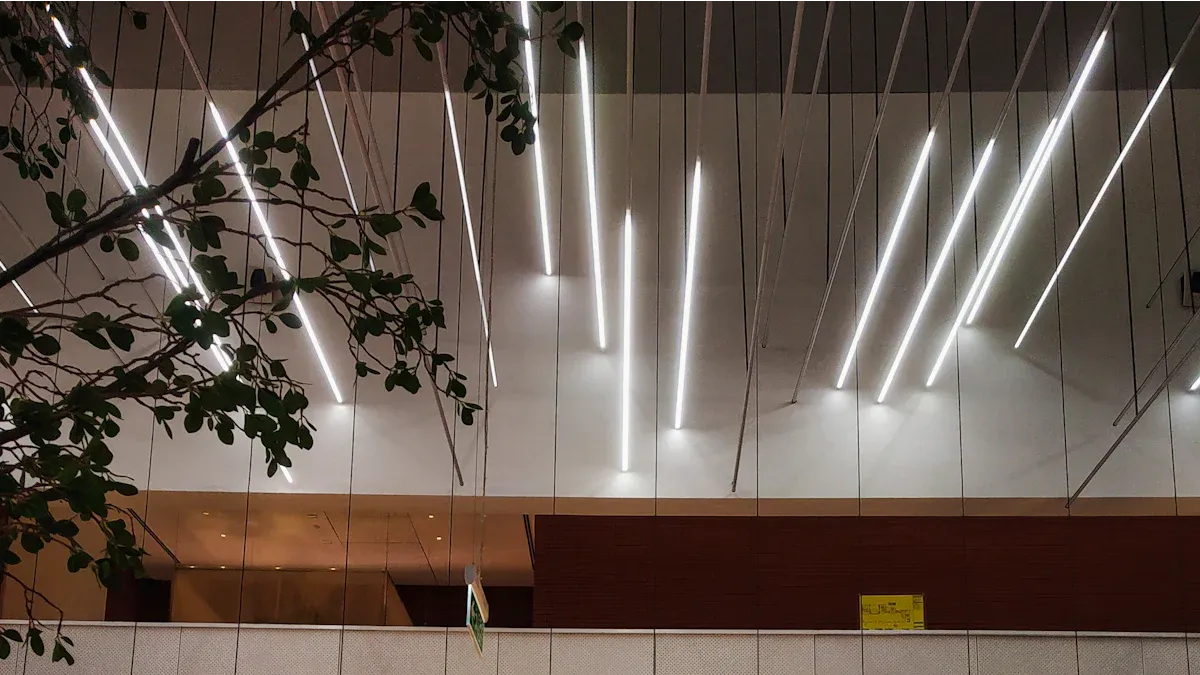
When planning a recent office renovation, many designers found that choosing the right drop ceiling lamps dramatically improved both visual comfort and energy efficiency. Before selecting fixtures for your own space, start by identifying the room’s primary function and lighting needs. Drop ceiling lights can serve different functions, including ambient lighting, focused task illumination, decorative accents, and glare-reducing workspace lighting depending on the fixture style and color temperature you choose.
According to the U.S. Department of Energy, LED lighting uses at least 75% less energy and lasts up to 25 times longer than traditional incandescent bulbs, making LED drop ceiling lights one of the most cost-effective solutions for modern interiors.
You need to match lamp types to the room's function, select energy-efficient options like LED fixtures, and ensure proper installation. Choose from LED panels, troffer lights, or recessed fixtures, and look for features like dimming capability and easy maintenance.
Key Takeaways
Identify the purpose of your space before selecting drop ceiling lamps. Match the lamp type to the room's function for optimal lighting.
Choose energy-efficient options like LED fixtures. They save up to 75% on energy costs and last longer than traditional bulbs.
Consider the color temperature of your lighting. Warmer tones create a cozy atmosphere, while cooler tones enhance focus and productivity.
Plan the layout and spacing of your fixtures carefully. Use a grid pattern for even light distribution and to minimize glare.
Regular maintenance is key. Clean fixtures and check for wear to ensure safety and efficiency in your lighting system.
Key Factors for Drop Ceiling Lamps
Style and Ambiance
You shape the atmosphere of your space with the right drop ceiling lights. The style you choose directly affects how people feel and interact in the room. For example, pendant lighting can create a vibrant, productive environment in offices or kitchens, while softer, warmer pendant lights encourage relaxation in lounges or dining areas. The color temperature of your lighting fixtures also plays a key role.
Lighting professionals typically recommend warm white lighting between 2700K and 3000K for living rooms and hospitality spaces because it creates a softer, more inviting atmosphere. For offices and task-oriented environments, 4000K to 5000K LED drop ceiling lights help improve alertness and visual clarity.
Experts also recommend selecting fixtures with a CRI (Color Rendering Index) above 80 to ensure colors appear more natural and comfortable to the human eye.
Tip: Select lighting fixtures that match the mood you want to create. Use adjustable options to switch between bright and dim settings as needed.
Here’s a quick comparison of how different styles impact ambiance:
Lighting Style |
Ambiance Effect |
Key Features |
Recessed Lighting |
Provides ambient light, highlights features, directs light precisely |
Flush with ceiling, adjustable trims, various bulb types |
Pendant Lights |
Bright for productivity, dim for relaxation |
Adjustable levels, many styles for different moods |
Brightness and Efficiency
You must consider the brightness required for each area. The right amount of light ensures comfort and safety. Use lumens, not watts, to measure the output of your drop ceiling lights. LEDs offer high brightness and significantly higher energy efficiency compared to fluorescent and incandescent alternatives. ENERGY STAR reports that certified LED fixtures can reduce lighting energy consumption by up to 75% while lasting more than 25,000 hours.
The Illuminating Engineering Society (IES) also recommends layered lighting strategies to improve visual comfort and reduce glare in commercial interiors.
For offices, lighting designers often recommend maintaining illumination levels between 300 and 500 lux to reduce eye strain and improve productivity.
LED lighting fixtures are more environmentally friendly and cost-effective.
Focus on lumens for brightness, not just wattage.
Smart lighting systems and high-reflectance ceiling tiles can further reduce operational costs.
The available sizes for drop ceiling lights, such as 2x4 ft, 2x2 ft, and 1x4 ft panels, help you cover large or small areas efficiently. Choose the size that best fits your ceiling grid and lighting needs.
Installation and Maintenance
You benefit from drop ceiling lights because they offer easy access for installation and maintenance. Most lighting fixtures fit standard ceiling grids, making upgrades or replacements straightforward. Routine inspections and cleaning keep your system running safely and efficiently. Upgrading to LED fixtures reduces maintenance costs and the frequency of bulb changes.
You should always select lighting fixtures that balance style, efficiency, and ease of maintenance. The available sizes for drop ceiling lights ensure you can find the right fit for any space.
Popular Types of Drop Ceiling Lamps
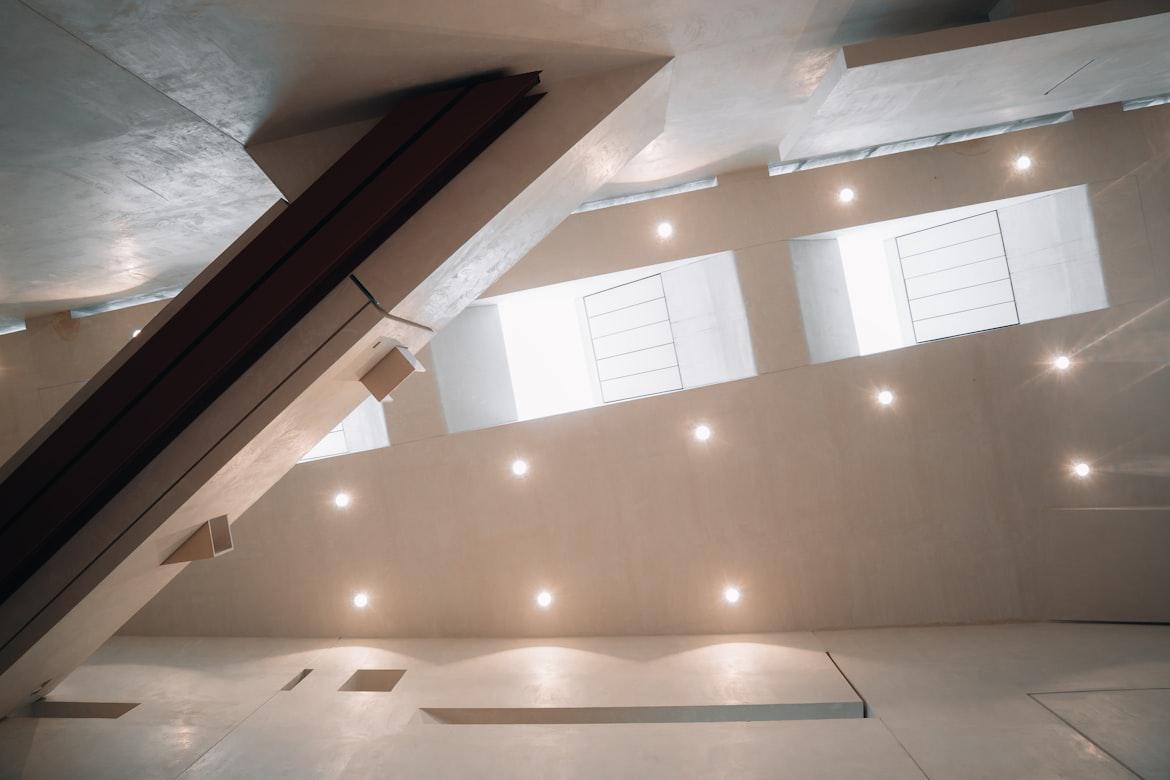
When you explore the popular types of drop ceiling lamps, you will find several options that suit different needs and styles. Each type offers unique benefits for your space.
LED Panel Lights
LED panel lights provide a modern solution for both residential and commercial spaces. You can choose from standard sizes like 2x2, 2x4, and 1x4 feet, making them easy to fit into most ceiling grids. These panels deliver even, glare-free illumination and often feature adjustable wattage and color temperature. You will appreciate their slim profile, which works well in rooms with low ceilings.
In many modern office renovations, designers prefer 2x4 LED panel lights from brands like Philips, Cree, and Lithonia because they provide even illumination with minimal glare. These fixtures are especially effective in conference rooms and commercial workspaces where visual comfort is important during long periods of screen use.
Many LED panel models also include dimming compatibility and adjustable color temperatures, allowing users to customize lighting throughout the day.
Advantages |
Disadvantages |
Impact on User Comfort |
Durable and shatter resistant |
Higher initial cost than traditional bulbs |
Allows customization of lighting levels |
Environmentally friendly |
Larger size may affect installation |
Enhances comfort by providing light only when needed |
Modern, stylish design |
Slightly lower light output than some options |
Improves overall lighting quality |
Dimmable and soft on the eyes |
$20 - $100 |
|
Safe—does not overheat |
$300 - $800 |
|
Cafeterias |
3000K to 3500K |
Tip: Choose LED panel lights if you want energy efficiency, a sleek look, and customizable lighting for your drop ceiling.
Troffer Lights
Troffer lights remain a popular choice for offices, schools, and commercial buildings. You can install them in standard grid layouts, where they provide broad, even lighting across large areas. Troffer lights come in both fluorescent and LED versions, but LED troffers offer better energy efficiency and a longer lifespan. You will find these fixtures more affordable upfront compared to flat panel lights, and they work well when you need reliable, uniform illumination.
Fits standard ceiling grids
Compatible with both fluorescent and LED bulbs
Recessed Drop Ceiling Lighting
Recessed drop ceiling lighting gives your room a clean, streamlined appearance. You install these fixtures into hollow openings, so they blend seamlessly with the ceiling. This type of lighting works well for creating ambient light or highlighting specific features in your space. You can use recessed lights to reduce glare and produce softer illumination, which is perfect for home theaters, kitchens, or galleries. Modern LED options offer energy savings and a wide range of color temperatures.
Focused, customizable illumination
Maximizes headroom and enhances aesthetics
Flexible placement for accent or general lighting
When you select from the types of drop ceiling lights, consider your room’s function, desired ambiance, and energy goals. The right choice will help you create a comfortable and efficient environment.
Common Drop Ceiling Lighting Mistakes to Avoid
Many homeowners and business owners choose drop ceiling lights based only on appearance, which can lead to poor lighting performance and unnecessary energy costs. Avoid these common mistakes when planning your lighting layout:
Choosing the Wrong Color Temperature
Using 5000K lighting in residential spaces can make rooms feel harsh and overly clinical. Warm white lighting between 2700K and 3000K is usually better for bedrooms and living rooms.
Ignoring Glare Reduction
Fixtures with poor glare control can create eye strain in offices and home workspaces. Look for LED panels with low UGR (Unified Glare Rating) values for improved comfort.
Overlighting Small Rooms
Installing too many fixtures in compact spaces often creates excessive brightness and uneven lighting. Always calculate lumens based on room size.
Skipping Dimming Features
Non-dimmable fixtures limit flexibility and may increase energy consumption. Dimmable LED drop ceiling lights allow better control over brightness throughout the day.
Choosing Drop Ceiling Lamps for Your Space
In many modern basement renovation projects, homeowners prefer LED drop ceiling lamps with dimming features because they provide flexible lighting for both entertainment and daily use. Designers also frequently recommend recessed drop ceiling lamps in rooms with lower ceilings since they create a cleaner appearance without reducing headroom.
One common issue many installers notice is that overly bright 5000K lighting can make residential spaces feel too harsh, especially in bedrooms and living rooms. Choosing warmer 3000K LED drop ceiling lamps often creates a more balanced and comfortable atmosphere.
Room Function and Lamp Selection
You need to match drop ceiling lamps to the specific function of each room. Start by evaluating the purpose of the space, the lighting effects you want, and the design aesthetic. For example, offices require bright, even illumination to support productivity. Kitchens benefit from focused task lighting that reduces glare and highlights work surfaces. Bedrooms and living rooms need softer, ambient light that creates a relaxing atmosphere. The amount of light should align with the activities planned for the space. You can choose lighting that meets functional needs and enhances the overall look.
Offices: Select led ceiling lights with high lumens and minimal glare for clear visibility.
Kitchens: Use led ceiling lights with adjustable brightness to reduce glare and provide task lighting.
Living rooms: Choose drop ceiling lamps with dimming features and warm color temperatures to minimize glare and create a cozy environment.
Bedrooms: Install led ceiling lights with low glare and soft illumination for restful ambiance.
Tip: Always choose lighting that supports the main activities in each room. Consider fixtures that offer flexibility, such as dimmable led ceiling lights, to adapt to changing needs.
Sizing and Layout Rules
You must consider ceiling height and room size when planning the layout for drop ceiling lamps. The arrangement and distance between fixtures influence light distribution and glare control. Mounting height, fixture spacing, and beam angle help you achieve even lighting and minimize glare.
Ceiling height affects how you space led ceiling lights. Higher ceilings require wider spacing to prevent glare and shadows.
Use a grid pattern for uniform coverage. Place drop ceiling lamps at equal intervals to reduce glare and ensure consistent brightness.
Select fixture sizes that fit your ceiling grid. Standard sizes like 2x2, 2x4, and 1x4 feet work well for most layouts.
Avoid placing led ceiling lights too close to walls or corners. This prevents uneven lighting and excessive glare.
Note: Base your brightness decisions on lumens (higher for workspaces, lower for relaxation), while checking the wattage separately to verify the fixture's energy efficiency.
Color Temperature and Dimming
You must select the right color temperature for each room to optimize comfort and productivity. For office environments, a color temperature range of 4000K to 5000K works best. This range maintains alertness and reduces glare. Avoid overly yellow light, which can cause sluggishness, and overly blue light, which may lead to eye strain and excessive glare.
Warmer tones (2700K to 3000K) are ideal for residential and hospitality settings. These create a cozy and welcoming atmosphere.
Cooler tones (4000K to 5000K) are recommended for workspaces and commercial settings. They maintain alertness and support focus.
Neutral lighting (4000K to 4500K) works well in conference rooms, balancing energy and comfort.
Dimming features in drop ceiling lamps help you customize lighting levels and reduce glare. You can adjust brightness to match your needs, which lowers energy consumption and enhances comfort.
Dimming capabilities enhance energy-saving potential and reduce glare.
You can adjust brightness according to your needs, minimizing glare and improving comfort.
Energy usage drops during off-peak hours when you dim led ceiling lights.
Tip: Choose drop ceiling lamps with dimming and occupancy sensors to maximize energy efficiency and reduce glare. Select led ceiling lights with adjustable color temperature for greater flexibility.
You can choose lighting that fits your space by considering room function, layout rules, color temperature, and dimming options. Led ceiling lights offer the best combination of efficiency, glare reduction, and customization for any environment.
Installation Tips for Drop Ceiling Lighting
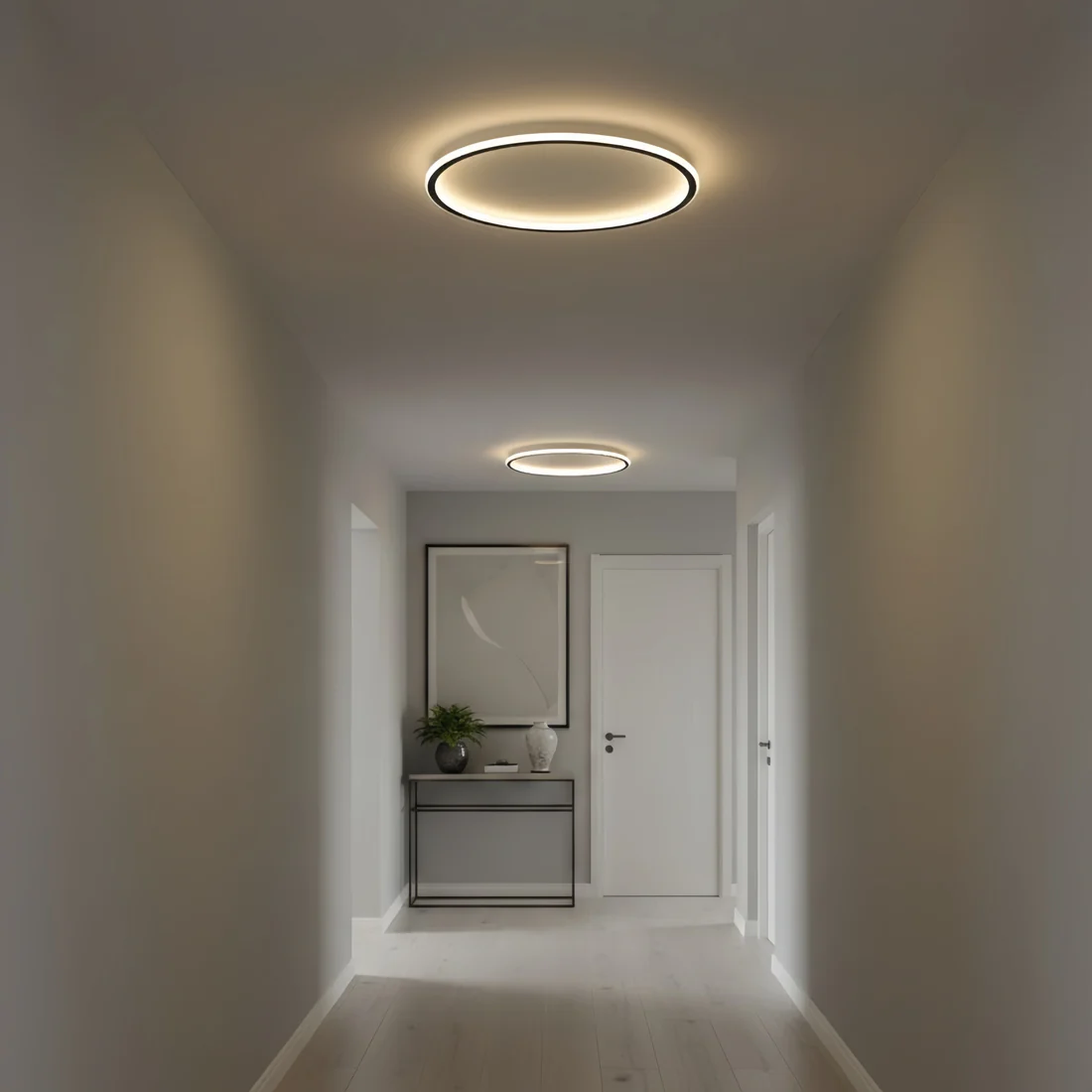
Image Source: LIGHTSLUX
Safety and Wiring
You must prioritize safety when installing drop ceiling lighting. Always wear safety glasses to protect your eyes from debris. Gloves help shield your hands from sharp edges, and sturdy shoes guard your feet against falling objects. Stay alert for overhead hazards, such as existing wires or structural components. Before you begin any wiring, use a voltage tester to confirm that the power is off. Never force wires into the junction box. Instead, keep connections neat. Since you are working with a drop ceiling, ensure the lighting fixtures are properly seated on the T-bar grid and supported by independent ceiling drop wires, rather than relying on the grid or wiring boxes for full weight support.
Common wiring challenges in drop ceiling lighting include flickering or intermittent lighting, which often results from loose connections or incompatible dimmers. Sometimes, fixtures do not turn on due to blown bulbs, tripped breakers, or faulty switches. Overheating can occur if you use incorrect wattage bulbs or if ventilation is poor. Address these issues promptly to maintain a safe and reliable system.
Tip: Careful preparation and attention to detail reduce the risk of electrical faults and ensure your drop ceiling lighting operates safely.
Spacing and Grid Patterns
Proper spacing and grid patterns are essential for effective drop ceiling lighting. Begin with meticulous planning. Collaborate with engineers, architects, or interior designers to create a lighting layout that meets your needs. Calculate fixture spacing, mounting heights, and aiming angles to achieve uniform light distribution and minimize glare. You can use computer-aided lighting design software, such as DIALux or Relux, to simulate different scenarios and optimize placement.
Plan the layout before installation.
Use a grid pattern for even coverage.
Adjust spacing based on ceiling height and room size.
A well-designed grid ensures your drop ceiling lighting provides consistent brightness and enhances the overall look of your space.
Maintenance Best Practices
Regular maintenance extends the lifespan of your drop ceiling lighting and keeps it performing at its best. Clean fixtures and lenses often to maintain peak efficiency and preserve their appearance. Manage temperature by ensuring proper ventilation and checking for effective heat dissipation. Inspect your drop ceiling lighting for dimming or flickering and replace bulbs as needed. Routine checks for wear or damage help prevent larger issues.
Maintenance Task |
Purpose |
Regular Cleaning |
Maintains efficiency and aesthetics |
Temperature Management |
Prevents overheating and damage |
Heat Dissipation Check |
Ensures safe operation |
Routine Inspections |
Identifies issues early |
Note: Consistent care for your drop ceiling lighting reduces downtime and maximizes energy savings.
After comparing different drop ceiling lamp styles across residential and commercial projects, many lighting professionals agree that LED fixtures offer the best balance of efficiency, longevity, and design flexibility. Proper fixture spacing, color temperature selection, and glare control remain the most important factors when creating comfortable and functional lighting environments.
You can select the best drop ceiling lamps by following these steps:
Assess the size and layout of your space.
Choose the right color temperature for the atmosphere.
Compare wattage and lumens for proper brightness.
Check installation compatibility with your ceiling.
Evaluate energy-efficient options like LED fixtures.
Proper installation improves performance and safety. You ensure longevity by collaborating with professionals and complying with standards. Following guidelines reduces light pollution and supports a healthy environment.
FAQ
What size drop ceiling lamp should you choose?
You should match the lamp size to your ceiling grid. Common sizes include 2x2, 2x4, and 1x4 feet. Measure your grid openings before purchasing. This ensures a proper fit and even light distribution.
Can you install LED drop ceiling lamps in any room?
You can install LED drop ceiling lamps in most rooms, including offices, kitchens, and living areas. Always check for moisture ratings if you plan to use them in bathrooms or basements.
How do you maintain drop ceiling lamps?
Regular cleaning and inspection keep your lamps efficient. Dust the fixtures and check for loose wiring every few months. Replace any faulty bulbs or damaged panels promptly to ensure safety and performance.
Are drop ceiling lamps dimmable?
Many modern drop ceiling lamps offer dimming features. You need compatible dimmer switches and fixtures. Check the product specifications before buying to ensure you get the dimming capability you want.
Do LED drop ceiling lamps save energy?
Yes. ENERGY STAR states that LED drop ceiling lights use much less energy than incandescent or fluorescent fixtures and can last up to 25 times longer. They also help reduce maintenance and electricity costs.
Share:
Crystal Chandeliers Cleaning Tips for Every Home
How to Choose the Best Drop Ceiling Lamps for Your Space